The following post includes potentially sensitive topics for some readers.
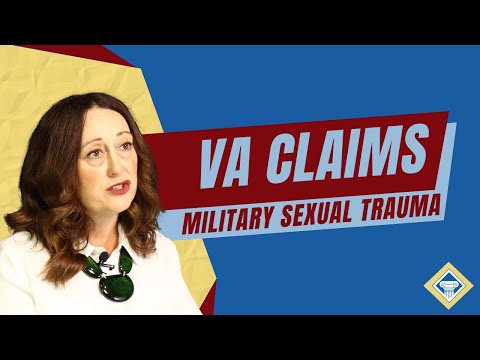
“Military sexual trauma can be incredibly difficult to talk about. For many survivors, it’s something that was buried, minimized, or never acknowledged at all. But for the thousands of veterans who have experienced MST, these conversations are important to have.
“In 2024 alone, more than 8,000 service members reported being sexually assaulted during their military service. Because sexual trauma is so often underreported, and because many forms of sexual harassment aren’t included in those numbers, it’s likely that far more people are affected than the data shows.
Let’s appeal your VA decision today

“My name is Jennifer Keppler. I’m a VA disability attorney with Woods & Woods, and today I want to talk to you about what military sexual trauma is, how it can affect your mental health, and what resources are available if you are struggling with the impact of your experience.
“I will also explain what you need to file a VA claim related to MST, so you can pursue the compensation you deserve to allow you the time, stability, and support you need to focus on healing.”
How the VA defines MST
“Military sexual trauma is the VA’s term for sexual assault or sexual harassment that takes place during military service. It’s an umbrella term for any non-consensual sexual encounter.
“Under VA disability law, military sexual trauma can include things like:
- Being pressured into sexual activity – often through threats or promises of better treatment
- Sexual touching or sexual activities without consent, including situations where you are asleep or intoxicated
- Rape by force
- Being hazed in a sexual way
- Sexual threats or comments
- Unwanted sexual advances.
“If you are listening to this and thinking, ‘That happened to me, but I never thought of it that way,’ you’re not alone. Many survivors don’t recognize their experiences as MST until years later.
“According to VA data, about 1 in 3 women and 1 in 50 men report experiencing military sexual trauma. But as I mentioned, those numbers are believed to significantly underrepresent how common sexual harassment and assault are in the military.
“The U.S. Department of Defense estimates that only about a fifth of MST incidents are reported to military officials. One reason for this is the power dynamic in service that puts subordinates in a vulnerable position.
“The chain of command gives superiors influence over service members’ careers, promotions, assignments, requests for leave, and so on. This imbalance of power often makes people afraid to speak up.
“Another reason MST is so underreported is the emotional weight that comes with it. Many survivors carry feelings of shame or embarrassment, or they question themselves and wonder if what happened was somehow their fault.
“For male survivors in particular, there may be an added layer of stigma. Many men who experience MST struggle with feelings of emasculation or fear they won’t be believed or taken seriously.
“For many veterans who have survived MST, that fear doesn’t end with service. It follows them long after.”

How MST claims are different
“The VA handles disability claims related to military sexual trauma a little differently than other claims.
“They recognize that since MST is so profoundly personal, many victims may find it difficult to produce evidence to support their claim.
“MST itself isn’t assigned a disability rating. Instead, the VA looks at the lasting physical and emotional effects of the trauma and whether those effects can be connected back to what happened during service. This can make MST claims feel more complicated or intimidating, especially for veterans who never reported the incident at the time.
“But it’s important to know that a lack of formal reporting does not disqualify you from benefits.
“In fact, a federal court of appeals ruled in 2013 that the VA is not allowed to deny your MST claim because you were too afraid to report it at the time, or because there are no service records documenting the incident. That’s because the VA understands that military sexual trauma often shows up not in paperwork, but in its long-term effects. And for many survivors, these effects can touch on nearly every part of their lives.”
MST and related conditions
“Traumatic sexual experiences can negatively affect a survivor’s mental and physical health in many ways during and immediately after the incident, as well as years into the future.
“These impacts are often the basis of a service-connected VA claim. Survivors of sexual assault commonly experience mental health issues such as:
- Persistent feelings of depression or emotional numbness
- Anxiety
- Panic – or constantly feeling on edge
- PTSD, including nightmares, flashbacks, or avoidance
- Thoughts of suicide or self-harm
- Struggles with substance use as a way to cope
- Disordered eating
- Obsessive compulsive disorder (OCD)
- Female sexual arousal disorder (FSAD)
“One of the most common conditions we see among survivors of military sexual trauma is PTSD. One study found that as of 2014, around 95% of MST-related VA health care applications included a claim for PTSD, which just shows how serious the long-term effects of MST can be.
“If you have PTSD or any mental health condition you believe was caused by MST, you may qualify for VA disability benefits.
“Military sexual trauma can affect more than just your mental health. For some survivors, it can lead to physical problems as well, such as:
- Injuries from the assault itself like cuts, bruises, and broken bones
- Sexually transmitted diseases that can sometimes lead to more serious or long-term health problems
- Gastrointestinal problems
- Reproductive problems
- Pelvic pain
- Chronic diseases such as diabetes and arthritis
- Infertility
“If you’re dealing with physical symptoms that started after your experience, they may be considered part of your MST-related VA disability claim.”
The team there at Woods and Woods did outstanding. VERY professional. They cut through the red tape and got me what I needed ASAP. They truly are The Veterans Law Firm.

E.L., an Army veteran in Nebraska
From a Facebook review for Woods & Woods
What evidence do you need for an MST claim?
“I want to reiterate – not having service records related to your MST and not reporting it at the time does not mean you’ve lost your chance to file a claim.
“Many survivors weren’t able to report what happened, and the law recognizes that. Even if you come forward a decade after leaving the military r even longer, you may still be able to successfully file a VA disability claim when there isn’t an official report or service record of the incident.
“The VA allows what’s called behavioral or marker evidence. This is evidence that shows how the trauma affected you, rather than proof of the incident itself.
“Examples of this kind of evidence can include:
- Medical records of a related mental health diagnosis
- Pregnancy or STD tests
- Documentation of relationship problems such as separation or divorce
- Requests for military duty transfer
- Records of sexual dysfunction
- Evidence of substance abuse or addiction, or sudden unexplained changes in social or economic behavior.
“If you did report the incident when it happened, you may be able to submit more direct forms of evidence like medical or personnel records from service documenting the incident, a DoD sexual assault or harassment report, or investigation reports that were completed during your military service.
“If you’re claiming PTSD as a result of the sexual trauma, the VA accepts a wide range of supporting evidence, including:
- A statement from a religious leader or chaplain
- Medical records or opinions from a mental health professional
- Documentation from a rape crisis center or counseling provider
- A police report if one exists
- Statements from loved ones or fellow service members who are familiar with what happened and how it affected you
- Personal journal entries or written reflections
“The most important thing to know is that there’s no single right type of evidence for an MST claim.
Every survivor’s experience is different, and the VA is required to look at the full picture, not just whether an incident was formally reported.
“Even though opening up about your experience can feel overwhelming, getting the right support can make a big difference in a disability claim based on MST. A trusted veteran service officer or an accredited VA disability attorney can help you gather the evidence the VA needs to help you put together the strongest claim possible from the start.”

MST resources for support
“Whether or not you decide to file a VA disability claim, we believe it is important for you to know about free resources to help you recover.
“The VA offers free treatment for any physical or mental conditions related to military sexual trauma.
You do not need to have reported the incident at the time, and you don’t need proof of the assault to receive free care.
“Also, every VA medical facility has a Veterans Health Administration MST coordinator on staff.
These coordinators are there to help connect you with services and answer questions about MST-related care. That can include counseling, mental health evaluations, Medicare management, and both individual and group therapy for veterans who need more intensive support.
“The VA also offers inpatient MST treatment programs. Another confidential resource is the DoD Safe helpline, which is available 24-7. It offers anonymous support and self-care tools and is operated by the National Sexual Assault Hotline, RAINN.
“Most importantly, if you’re ever in crisis or feel like you’re in immediate danger, you can contact the Veterans Crisis Line by dialing 988 and then pressing one.”
Our team is ready to help
How Woods & Woods can help
“Veterans who are dealing with the effects of military sexual trauma deserve support, care, and compensation. You don’t have to navigate this process alone.
“And if you’re wondering if you qualify for an increased rating or TDIU, contact Woods & Woods for a free consultation.”
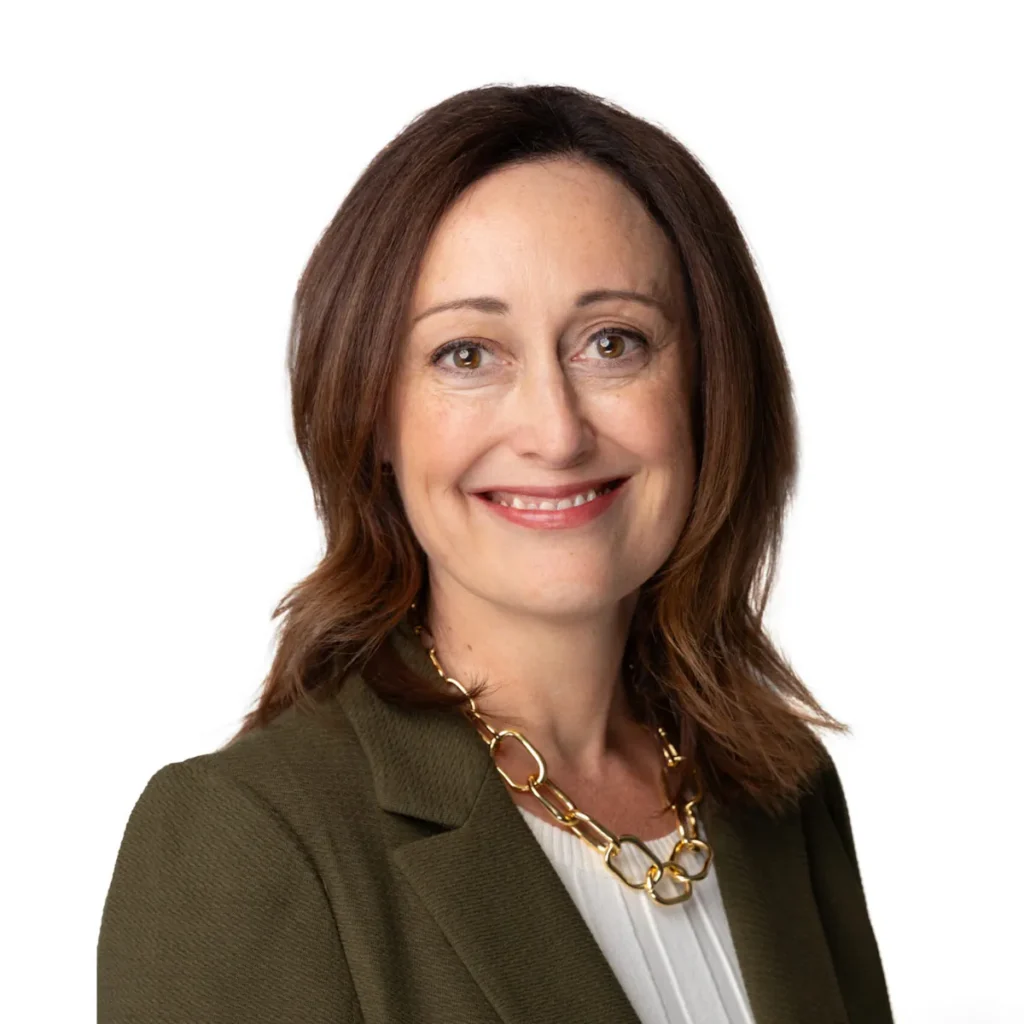
Jennifer Keppler
Jennifer is a VA disability lawyer who was drawn to law based on a desire to serve and advocate for others. She received her law degree from Indiana University.