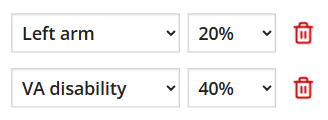

We explain how to get a VA rating for migraines secondary to PTSD and what to do if you can no longer work because of these conditions.
Neurological System
Articles about VA disability benefits for veterans with service-connected nervous system conditions.
VA Disability for Agent Orange and Neurological Disorders
Agent Orange and neurological disorders are connected. If you were exposed to AO and have a neurological condition, you’ll want to know more.

Can Veterans Get a VA Rating for POTS?
Veterans who can tie their POTS diagnosis back to their military service may be eligible for a POTS VA disability rating. This post explains.

Getting VA Disability for Memory Loss
Although there isn’t a specific memory loss VA rating, veterans can still receive benefits for the condition causing their memory loss.
Getting Essential Tremor VA Disability Benefits
Getting an essential tremor VA rating could provide you with disability benefits you deserve.

Getting a VA Disability Rating for Epilepsy and Seizures
If you’re a veteran who has seizures or epilepsy, you could be eligible for compensation. Read on to learn more about the epilepsy VA rating.

VIDEO: How Does the VA Compensate for Migraine Headaches?
The VA rating for migraines is explained by VA disability lawyer Cecilia Ton.
Understanding the VA Disability Bilateral Factor
Veterans with disabilities on the right and left sides of their body or in paired skeletal muscles may qualify for the bilateral factor.
Understanding the Vertigo VA Rating
We explain more about what vertigo is, how the VA rates vertigo, and the relationship between vertigo and migraines and vertigo and tinnitus.

VIDEO: Sciatica and Military Service: Get the Benefits You Deserve
What is the sciatica VA rating? VA disability lawyer Zack Evans explains.

Getting a VA Disability Rating for Light Sensitivity (Photophobia)
Although veterans can’t get a photophobia VA rating, this post explains more about how the condition may help increase your VA rating.
Veterans Can Get VA Ratings for Nerve Damage and Nerve Pain
If you have service-connected nerve damage or pain, you deserve VA compensation. Read on to learn about the VA rating for nerve damage.