
For veterans who were exposed to dangerous toxins from burn pits, oil well fires, Agent Orange, and other sources, lung health can be a significant concern. The more you are exposed to these pollutants, the more at risk you are of developing a chronic lung condition that can cause a nagging cough, shortness of breath, trouble sleeping, and other breathing problems.

Let’s get started today
In this article, we will cover presumptive respiratory conditions for veterans, VA disability pulmonary function tests, and how you can get a VA disability rating for respiratory issues.
In this article about the VA disability rating for respiratory issues:
- Respiratory conditions in veterans
- VA disability rating for respiratory issues
- Presumptive respiratory conditions
- VA disability pulmonary function test
- What to expect at a C&P exam for respiratory conditions
- DBQ for respiratory conditions
- TDIU for respiratory conditions
- How Woods & Woods can help
- Frequently asked questions
Respiratory conditions in veterans
Over 30 million Americans live with chronic lung conditions, but veterans may experience numerous toxins, chemicals, and conditions that further increase their risks of lung disease. Exposure to environmental hazards during military service, such as burn pits, mustard gas, oil well fires, sandstorms, or fumes from aircraft exhaust can all play a role in the development of respiratory conditions in veterans. Agent Orange may also cause chronic lung issues and has been formally linked to respiratory cancers by the VA.
One study of 760,000 veterans that served in Iraq or Afghanistan found that the prevalence of asthma almost tripled and the rate of COPD also increased from 2003-2011. This increase in respiratory issues in veterans is likely the product of prolonged exposure to airborne pollutants from burn pits.
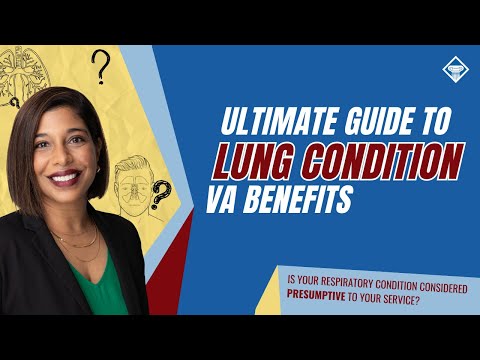
Veterans who believe their respiratory condition was caused by an exposure during service may seek a VA disability rating for respiratory issues. We explain more about how these respiratory ratings work below.
VA disability rating for respiratory issues
The Department of Veterans Affairs rates respiratory conditions using the Schedule of Ratings for the respiratory system. Not every condition is rated the same, and veterans diagnosed with more than one service-connected respiratory condition will only be rated once to avoid pyramiding of symptoms. If you have more than one respiratory condition, a single rating will be assigned under the diagnostic code that reflects your predominant disability, or the code that grants you the highest disability evaluation.
VA disability lawyer Neil Woods explained, “Even if you have multiple lung conditions, the VA is only going to rate you for one condition. That’s why it’s important to get a proper diagnosis and when you go to your exam to give your best effort and to tell your examiner all of your symptoms.”
Service-connected respiratory conditions are rated using a wide range of diagnostic codes.
Presumptive respiratory conditions
Because of the unique circumstances of a specific veteran’s MOS, the VA automatically presumes that certain disabilities were caused by military service. Therefore, if you have been diagnosed with a presumptive respiratory condition and fit eligibility criteria, you could be awarded a VA rating without a medical nexus proving the link between the condition and your service.
Burn pit presumptive respiratory conditions
Many respiratory conditions and cancers have been linked to burn pit exposure.
These include:
- Asthma
- Chronic Sinusitis
- Chronic Rhinitis
- Chronic bronchitis
- Constrictive bronchiolitis
- COPD
- Emphysema
- Sarcoidosis
- Pulmonary fibrosis
- Respiratory cancer of any type
Where and when veterans served affects their eligibility for VA disability benefits for burn pit presumptives.

Agent Orange presumptive respiratory conditions
Certain respiratory cancers have been linked to exposure to the dangerous herbicide Agent Orange, including cancers of the lung, larynx, trachea, and bronchus. Veterans are presumed to have been exposed to Agent Orange if they meet the eligibility requirements.
Mustard gas and lewisite presumptive conditions
Veterans who meet eligibility criteria based on their branch and location of service, and experienced full-body exposure to mustard gas or lewisite, may be eligible for a VA rating for respiratory issues. For qualifying veterans, chronic laryngitis, bronchitis, emphysema, asthma, and COPD are considered presumptive respiratory conditions from mustard gas or lewisite exposure.
VA disability pulmonary function test
To diagnose most respiratory conditions, a pulmonary function test (PFT) is required.
PFTs help determine how well your lungs are working by measuring the amount of air you exhale and the amount of time it takes you to exhale completely. Results from a PFT take age, sex, ethnicity, and height into account. Results can be used to help diagnose lung conditions like asthma, chronic obstructive pulmonary disease (COPD), and many others.
There are several types of lung function tests, including:
- Spirometry tests measure your forced vital capacity (FVC), the highest amount of air you can breathe out after taking a deep breath in. It also measures your forced expiratory volume (FEV1), the amount of air you breathe out in one second.
- Diffusion tests measure your diffusing capacity for carbon monoxide (DLCO(SB)) by using a gas containing carbon monoxide to track how much oxygen moves from your lungs to your blood when you inhale.
- Lung volume tests measure the volume of air in your lungs after taking the deepest breath you can, the volume of air that remains in your lungs after breathing out normally, and the volume of air that remains in your lungs after breathing out as much as you can.
- Cardiopulmonary exercise test (CPET) measures how well your heart, lungs, and muscles work while you’re exercising.
To properly review your respiratory condition, and assign the appropriate rating, the VA will typically look at the results from your PFT. Most commonly they’ll look at results from a spirometry test or diffusion test, as FVC, FEV1, and DLCO(SB) measurements are found in the rating criteria for multiple respiratory conditions.
A spirometry test requires you to take a deep breath and then blow it out as hard and fast as you can. The result is not just a number but is also interpreted by the doctor watching you take the test. Depending on how fast, how much, and the quality of the air that you blow, you’ll receive a score.


What to expect at a C&P exam for respiratory conditions
When you file a claim seeking a VA respiratory rating, the VA will likely schedule a compensation and pension exam (C&P exam) to evaluate your condition. The purpose of a C&P exam is to gather and confirm medical information, assess the severity of your respiratory condition, and to determine if your condition is related to your time in service.
Based on the medical evidence you submit with your claim, the VA may have enough evidence to make a decision, and may not require you to attend a C&P exam. If you are required to attend an exam, a VA examiner will call you or mail you a letter with your appointment date, time, location, and examiner’s information.
During a respiratory C&P exam, the VA examiner will ask you about:
- Your medical history
- Your current symptoms and frequency
- Any medications and/or treatments you’re using
- How your condition is affecting your work and your daily life
- Results of your PFTs
It’s important to be honest with your examiner, answer questions as best you can, and view the entire conversation as something that can affect your VA disability claim.
Downloadable C&P Exam Preparation Checklist
Click the image to download or print your own copy of our exam checklist or read more here.

DBQ for respiratory conditions
In addition to evaluating your physical health at a C&P exam, the VA examiner will review any documents submitted with your claim, including a disability benefits questionnaire (DBQ).
A DBQ is a form provided by the VA that allows a veteran’s medical provider to document evidence about their health condition. Questions and selections on the DBQ are designed to make sure the information provided about your health condition will be helpful when the VA reviews your claim.
The VA respiratory DBQ is an eight-page document that includes:
- Your specific respiratory diagnosis
- When your condition started and how it is progressing
- Any medications taken for the condition
- Results of pulmonary function tests (PFT) and/or exercise capacity testing
- Other complications, conditions, or symptoms that resulted result from your diagnosis
- Notes describing to what extent your condition affects your ability to work
- Any additional notes from the examiner about your condition
Woods & Woods’ experience will give you the best chance to get what you deserve.

T.K.
From a Google review for Woods & Woods
TDIU for respiratory conditions
The effects of respiratory issues can make everyday life more difficult. To make things worse, some symptoms can make working and earning an income nearly impossible. Whether your work is physical or sedentary, wheezing, coughing, dizziness, shortness of breath, and other common symptoms of respiratory conditions can keep many veterans from working.
For veterans who are unable to maintain gainful employment due to a service-connected disability, total disability based on individual unemployability (TDIU) benefits may be available. TDIU pays veterans the same monthly compensation as a 100% rating does, even if your disability rating is less than 100%.
To be eligible for TDIU you must typically have:
- One condition rated at least 60% OR
- Two conditions that can be combined to reach 70%, where one condition is rated at least 40%
How Woods & Woods can help
The VA-accredited attorneys at Woods & Woods have helped thousands of veterans nationwide get the disability benefits they deserve. Call us today for a free case evaluation. You won’t pay us a dime unless we win your case.
Let’s appeal your VA decision today

Frequently asked questions
The VA will likely schedule a C&P exam to fully examine your lungs, and ask you questions to determine the severity of your symptoms and whether the condition is service connected. Not every claim will require a C&P exam, but most do. If you are asked to attend a C&P exam, you are required to do so if you want to continue pursuing your claim.
Most respiratory issues are rated using their own specific diagnostic codes and rating criteria in the Schedule of Ratings. To learn more about the specific VA disability rating for respiratory issues like asthma, COPD, or even sleep apnea, you can read our other blogs on those conditions.
Neil Woods
Neil Woods is a VA disability attorney and the owner and president of Woods & Woods. He received his law degree from Western Michigan University.


